Our Approach

How we restore & nourish.

A patient, regenerative practice rooted in soil.

a complete ecosystem

Working with nature, not against it.

Amygdaliá takes a regenerative approach shaped by the realities of the Mediterranean climate. Rather than separating ecological restoration from food production, we see the two as deeply interconnected: healthier soils support healthier ecosystems, stronger harvests and greater long-term resilience for the landscape as a whole.

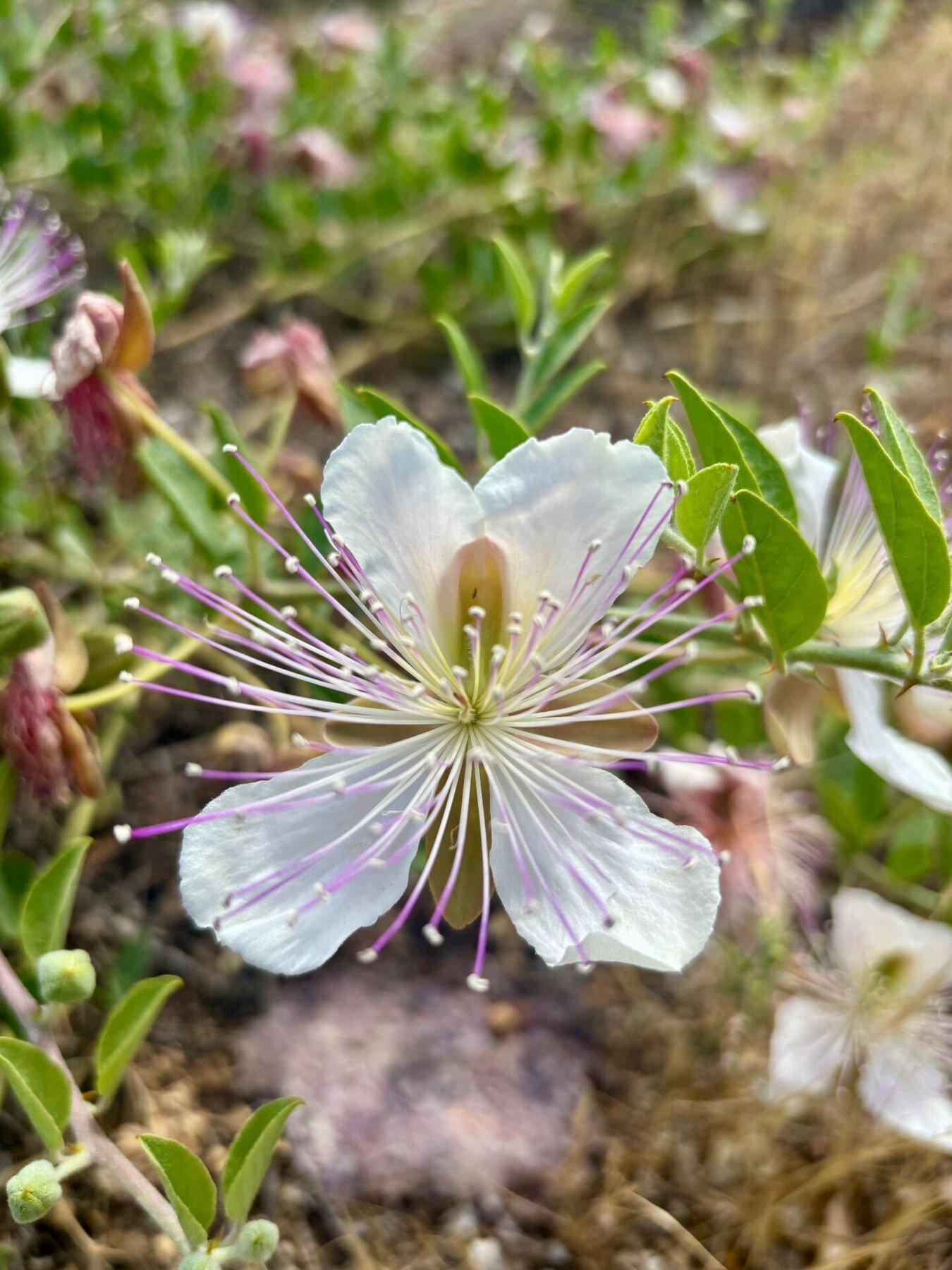
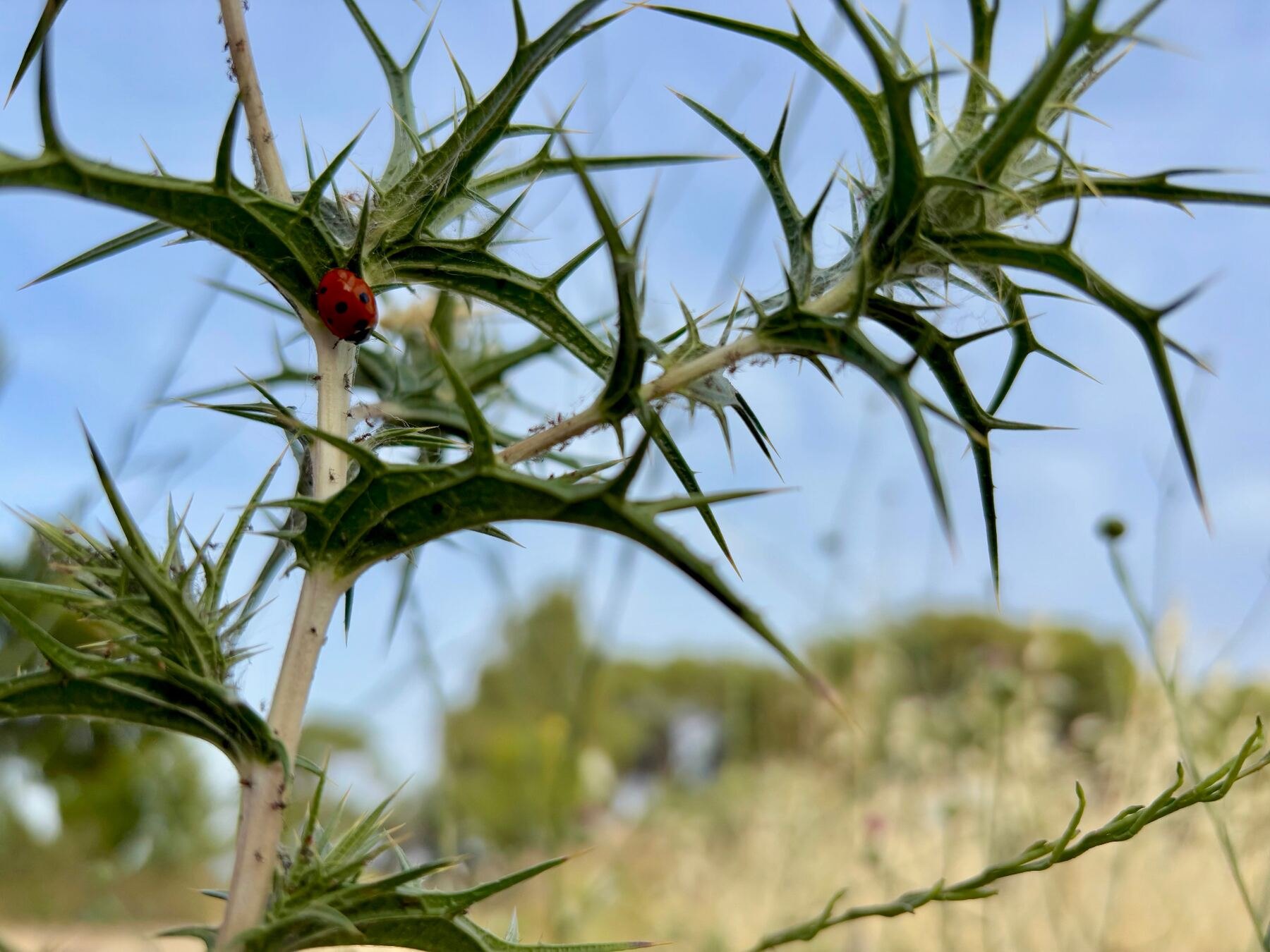
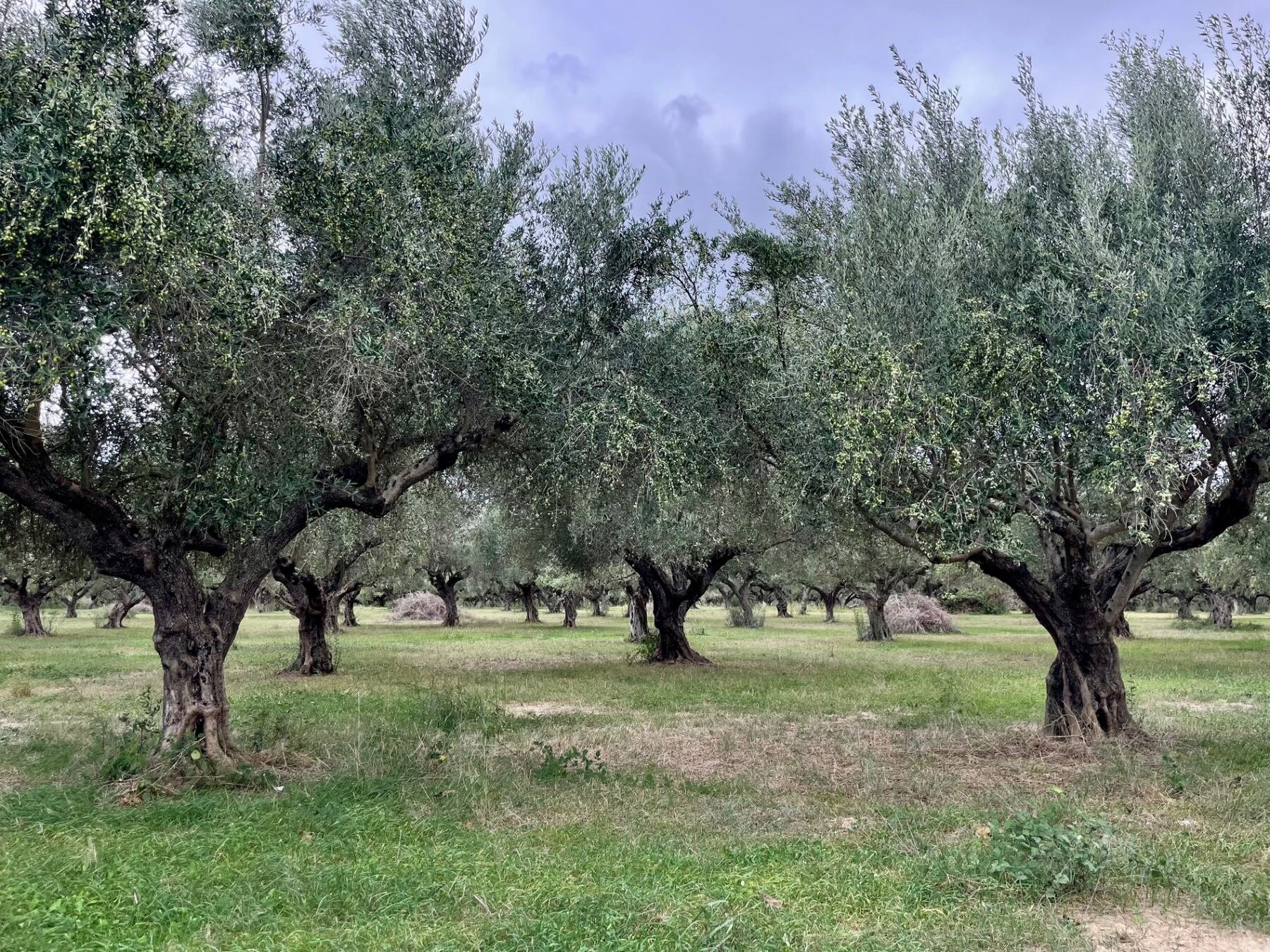
The grove is still in recovery. Many of the olive trees are in poor condition, sections of the soil are heavily compacted and water retention remains a long-term challenge. At the same time, the land continues to show signs of resilience: from the wild herbs and seasonal wildflowers already thriving on site to the pollinators that migrate through the landscape.

The restoration of the grove is supported through collaboration with leading experts and specialists in regenerative agriculture across Greece and beyond.

regenerative principles

What guides us.

01

Soil as a Priority

Years of compaction have left parts of the grove dry, hardened and difficult for water to penetrate effectively.

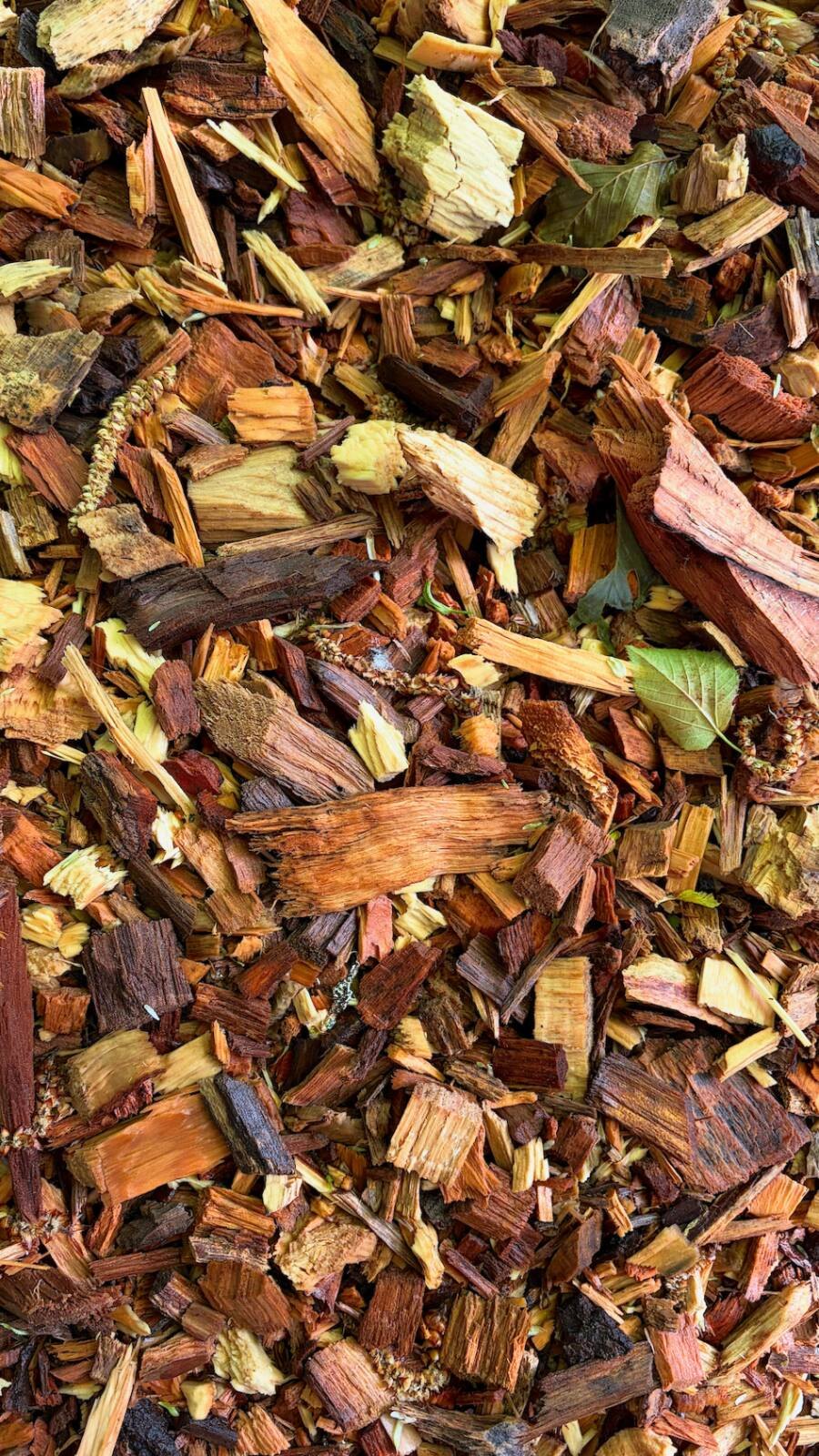
Our focus is rebuilding soil structure and biological activity gradually through compost, minimal soil disturbance and seasonal cover crops such as clover and lupins. These help protect exposed ground through winter, while organic matter and shredded olive prunings are gradually returned to the soil to support moisture retention and long-term soil recovery beneath the grove.

Healthy soil forms the foundation of the entire landscape.

Cultivation methods favour keeping the soil covered and biologically active wherever possible, allowing the landscape to recover gradually beneath the surface.
02

Drought Resilience

Cultivating food in the Mediterranean requires working with long dry summers, heat, wind and increasingly unpredictable rainfall as the region continues to experience the effects of climate change.

Rather than relying solely on irrigation, the landscape is managed to absorb and retain as much winter moisture as possible through mulch, contour-based planting and low-disturbance cultivation. Shredded olive prunings and wood chip are returned around recovering trees to reduce evaporation, protect exposed soil and slowly increase organic matter over time.

Every drop slowed, absorbed and held is water returned to the land.

We work to slow runoff, improve water infiltration and gradually rebuild the soil's capacity to function as a living sponge through the dry Mediterranean summer. Deep-rooted perennial planting and continuous living ground cover help stabilise soil, retain moisture and support biological activity below ground.

03

Restoring the Grove

The olive grove forms the ecological and cultural backbone of the landscape.

Restoration begins gradually through selective pruning, removing dead or overcrowded growth and allowing light and air back through the trees over multiple seasons rather than through aggressive cutting.

Gradual, long-term restoration rather than intensive production.

Rather than stripping the grove bare, sections of wild herbs, grasses and flowering plants are retained beneath the trees to support pollinators, protect exposed soil and strengthen biodiversity throughout the landscape.

Alongside the olives, native almond trees are reintroduced to diversify the grove through species historically adapted to the island's dry Mediterranean environment.

04

Agroforestry & the Garden

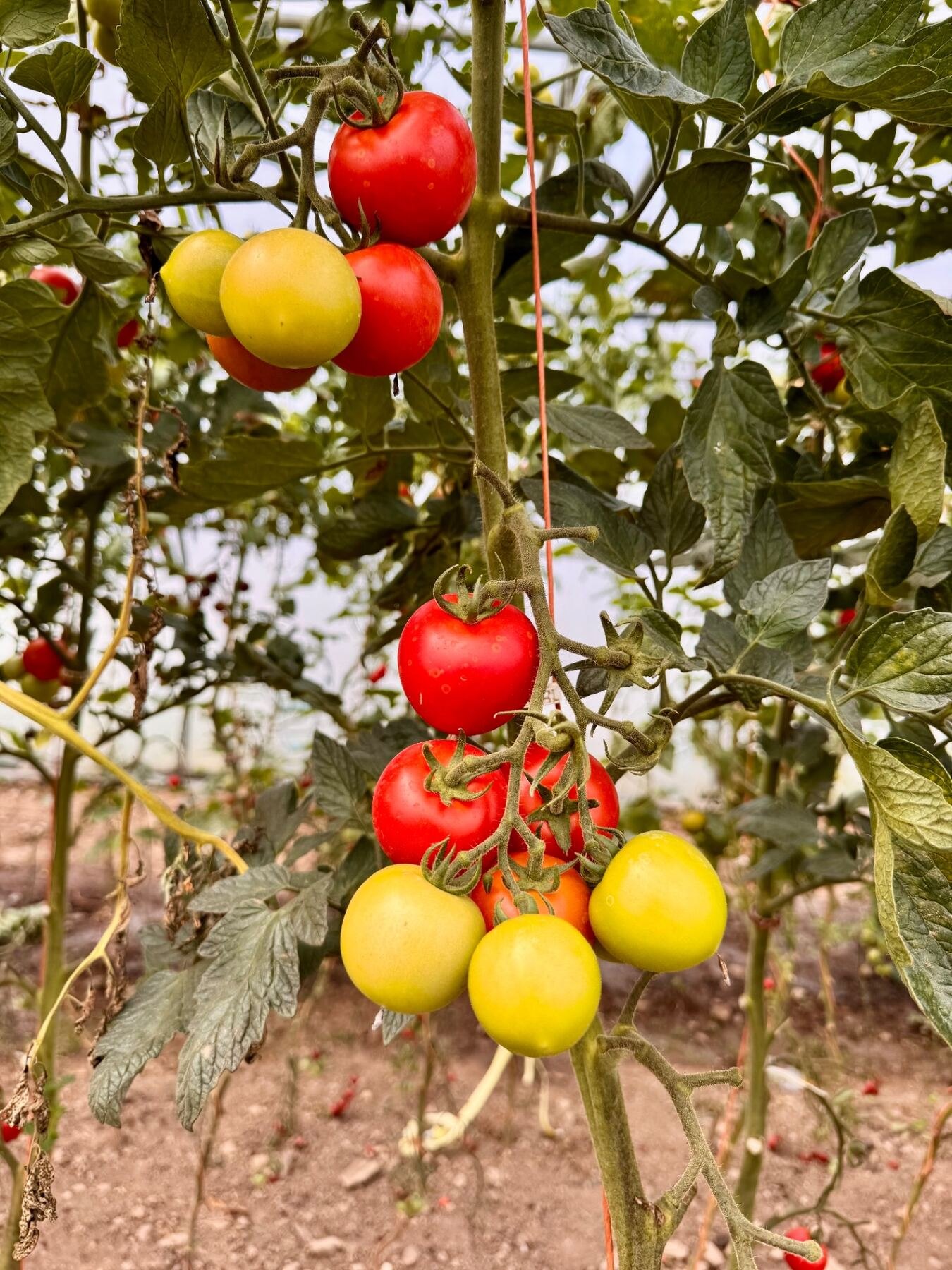
The garden grows within the grove itself, forming part of a wider Mediterranean agroforestry system where olives, almonds, vegetables, fruit trees, herbs and pollinators exist together within the same interconnected landscape.

Seasonal vegetables, perennial crops and drought-adapted varieties are cultivated in rotating beds shaped by the contours and conditions of the land, with cultivation remaining entirely pesticide-free. Rather than large monocultures, the garden focuses on diversity, seasonality and crops suited to the realities of the island climate.

A layered system where different forms of cultivation strengthen one another.

Mediterranean herbs, flowering plants and pollinator-friendly species are woven throughout the garden to strengthen biodiversity and support the wider ecosystem around the crops.

05

Adaptive Practice

Regenerative agriculture is not a fixed formula. Many elements of the grove, including planting strategies, irrigation approaches and the layout of the food garden continue to evolve in response to the land itself.

A long-term process of observation, restoration and learning.

Amygdaliá remains a long-term process of observation, restoration and learning: one shaped equally by ecological knowledge, local experience and the practical realities of growing food on the island.

get involved

Be part of what's growing!

Sign up to the newsletter for updates and behind the scenes, or ask anything you want.

By submitting, you agree to our Privacy Policy.